Embroidery Hobby Fabric Fashion Landing
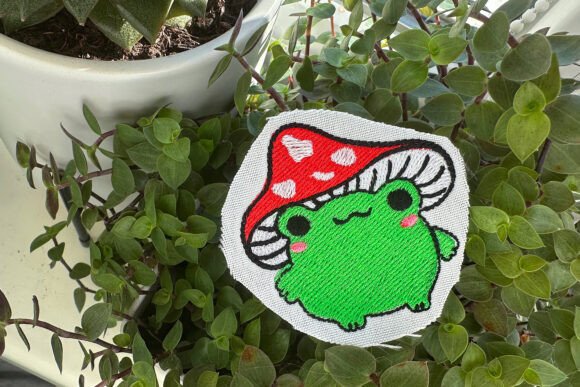
As an embroidery designer and product reviewer, I’ve evaluated countless machine embroidery designs. Embroidery Hobby Fabric Fashion Landing stands out for its clean, versatile style and potential to elevate a wide range of projects. Whether you're crafting custom apparel, personalized gifts, or small business merchandise, this design offers a solid foundation for creative expression.
First Impressions: A Design That Speaks to Crafters
Embroidery Hobby Fabric Fashion Landing immediately conveys a sense of simplicity and elegance. The layout is well-balanced, with a clear visual hierarchy that makes it easy to identify key elements. The theme feels modern yet timeless, blending textile craft with fashion design in a way that appeals to both hobbyists and professionals.
The design’s structure suggests it could work well as an applique design or a satin stitch-based pattern. Its detail level is moderate—enough to add visual interest without overwhelming the fabric. This makes it ideal for items like tote bags, sweatshirts, or baby clothes where clarity and legibility matter.
Real-World Use: From Tote Bags to Holiday Gifts
Imagine using Embroidery Hobby Fabric Fashion Landing on a custom embroidered tote bag. The design would look great on cotton canvas, adding a touch of sophistication without being too busy. It also has the potential to stand out on a sweatshirt or a cap, especially when paired with contrasting thread colors.
For baby items, such as onesies or blankets, the design’s soft lines and minimal detail make it a safe choice. It’s not overly complex, which is important for small-scale embroidery on delicate fabrics. Similarly, it could serve as a holiday embroidery motif, whether for a festive pillow cover or a personalized gift for a wedding or birthday.
Where to Be Cautious: Design Limitations
While Embroidery Hobby Fabric Fashion Landing is versatile, there are some situations where it may not perform as well. On small hoop sizes, the design might feel cramped, making it harder to achieve consistent stitching. For textured fabrics or thin materials, the stitch density could cause puckering or distortion.
On dark fabrics, the design’s contrast may need adjustment. If the original file uses light threads, consider switching to a darker color for better visibility. Stretchy or layered garments could also pose challenges, especially if the design includes intricate corners or tiny lettering.
Impact on Visual Appeal and Customer Perception
When properly executed, Embroidery Hobby Fabric Fashion Landing can significantly enhance the visual appeal of a finished product. Its clean lines and balanced composition make it suitable for both handmade products and commercial embroidery projects. Customers often respond positively to designs that feel professional and polished, which this one delivers.
For Etsy sellers or small shop owners, this design can help build brand consistency. It’s also a strong asset for printable mockups and digital product previews, allowing you to showcase your work effectively. When used in personalized gifts or custom apparel, it adds value by offering a unique, crafted look that customers appreciate.
Practical Designer Notes: Testing and Preparation
Before committing to a project, always test Embroidery Hobby Fabric Fashion Landing on scrap fabric. This helps you assess how the design interacts with different materials and stitch types. Pay attention to stitch density—too much could lead to bulkiness, while too little might result in a weak appearance.
Check the recommended hoop size to ensure the design fits comfortably. If you’re working with curved surfaces like caps or hoods, be mindful of how the design wraps around the shape. Also, confirm that the design works well in both black and white mockups, as this can affect how it appears on various fabric backgrounds.
Choosing the Right Thread Colors and Stabilizers
Thread color selection is crucial for maximizing the impact of Embroidery Hobby Fabric Fashion Landing. Depending on the fabric, you may want to adjust the colors for better contrast. For example, a bold red on white cotton will pop, while a muted blue on a gray background might blend too much.
Using the right stabilizer is equally important. For stretchy or delicate fabrics, a tear-away or cut-away stabilizer can prevent puckering and maintain the design’s integrity. This is especially important for items like aprons, baby clothes, or reusable shopping bags that see frequent use.
Commercial vs. Personal Use: What You Need to Know
If you plan to use Embroidery Hobby Fabric Fashion Landing for commercial purposes, double-check the licensing terms. Some designs may have restrictions on resale or modification, so it’s essential to confirm what’s allowed before selling finished products or digital files.
For personal projects, this design is a great choice. It’s flexible enough to work on a variety of items, from DIY home decor to custom clothing. As a craft business owner, you can confidently incorporate it into your product line, provided you follow any usage guidelines.
Final Thoughts: A Reliable Design for Creative Projects
Embroidery Hobby Fabric Fashion Landing is a practical, adaptable design that can fit into many embroidery projects. Its clean aesthetic and moderate complexity make it accessible for both beginners and experienced designers. Whether you're creating handmade products for your own collection or preparing items for sale, this design offers a solid starting point.
By testing it thoroughly and considering factors like fabric type, thread color, and hoop size, you can ensure that Embroidery Hobby Fabric Fashion Landing looks its best in every application. It’s a valuable addition to your design assets, capable of enhancing everything from custom apparel to personalized gifts.