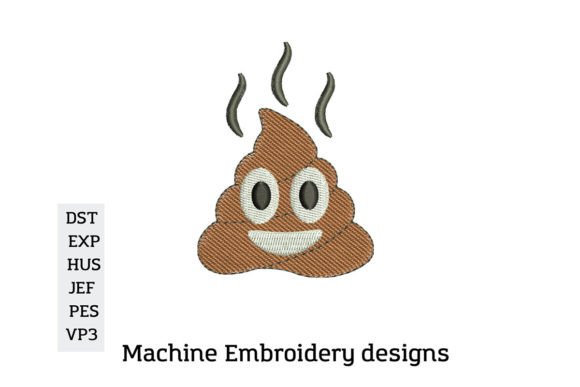
Poop Emoji Embroidery Design
As an experienced embroidery designer preparing for a craft fair, I’ve evaluated countless machine embroidery designs. The Poop Emoji Embroidery Design stands out for its humor, versatility, and visual appeal. It’s a unique addition to any handmade product lineup, especially for those targeting playful, modern, or whimsical audiences.
First Impressions: Bold, Funny, and Memorable
The Poop Emoji Embroidery Design immediately grabs attention with its unmistakable shape and playful tone. It feels fun, not offensive, and has a strong visual identity that works well in both casual and creative settings. The design is simple enough to be recognizable at a glance but detailed enough to add character to any product. Its bold lines and clear form make it ideal for small shop products and commercial embroidery alike.
Best Applications for Poop Emoji Embroidery Design
This design excels on a variety of craft fair products. On tote bags, it adds a pop of personality that can spark conversation. As an apron embroidery, it becomes a standout feature that customers might request again. Tea towel embroidery with the Poop Emoji gives a humorous twist to kitchen decor, while embroidered patches can be used as accents on caps, backpacks, or fabric pouches.
For pillow covers and wall art, the Poop Emoji Embroidery Design offers a quirky touch that fits well in farmhouse or modern home decor. It also makes a great small shop product for handmade gifts, where its novelty can drive impulse purchases. As a printable mockup, it helps Etsy sellers showcase their design assets effectively.
Practical Selling and Production Points
The Poop Emoji Embroidery Design is easy to understand at a glance, making it ideal for booth displays where customers need to notice and remember a product quickly. It works well as a small accent or a large focal point, depending on the project. For online listings, the design photographs well, especially when paired with complementary thread colors and clean backgrounds.
From a production standpoint, this embroidery file is likely repeatable for batch work. However, the stitch density and placement of details should be carefully reviewed. If the design includes dense areas or tiny elements, it may require additional stabilizer to prevent puckering, especially on textured towels or thick fabrics.
Careful-Use Notes for Poop Emoji Embroidery Design
When working with the Poop Emoji Embroidery Design, keep in mind that certain details—like small lettering or curved surfaces on caps—may lose clarity at smaller sizes. Dense stitch areas could cause issues on dark fabric, so testing with different thread colors is essential. For curved cap surfaces, adjusting the hoop size and using a suitable stabilizer can help maintain the design’s integrity.
If the design is intended for commercial embroidery, ensure that the licensing terms allow for resale. Always test the design on scrap fabric before committing to a full production run. Confirming the correct hoop size and reviewing the spacing of elements will save time and reduce errors.
Impact on Visual Appeal and Customer Engagement
The Poop Emoji Embroidery Design adds visual interest and can significantly boost buyer engagement at a craft fair booth. Its humorous nature encourages interaction, and customers often find it memorable. This design can enhance the value of handmade products by offering a unique, eye-catching detail that sets them apart from competitors.
For brand consistency, the Poop Emoji Embroidery Design works well when used across multiple product types. It can reinforce a theme or message, especially for businesses targeting children, families, or playful lifestyles. As a small shop product, it contributes to a cohesive and appealing booth display that draws in customers.
Embroidery Designer Notes for Success
To get the best results with the Poop Emoji Embroidery Design, start by testing it on different fabrics. Check how the stitch density affects the overall look and whether the thread colors stand out against the background. Review the spacing of elements to ensure they’re balanced and visually pleasing.
Using the right stabilizer is crucial, especially for projects like tote bag design or apron embroidery. Creating at least one real mockup helps visualize how the design will appear on the final product. Comparing fabric colors and ensuring the design is scalable for different sizes will improve the quality of the finished product.
Before selling, confirm that the digital embroidery file includes all necessary elements and that the commercial license allows for resale. This ensures that your small shop product meets legal and quality standards.